The pursuit of new energies sits at the crossroads of technology, environment, and society. As governments and industries strive for cleaner ways to power economies, concepts such as renewable energy and alternative energy are gaining traction. Much like a catan board game—where classic gameplay is refreshed with modern twists—the current energy landscape combines familiar sustainable resources with innovative strategies. This blend brings unpredictability and strategic choices, driving the transition toward a more sustainable future.
What defines new energies and why are they essential?
New energies encompass sources and systems that move away from traditional fossil fuels. These include wind, solar, geothermal, hydropower, bioenergy, and emerging technologies such as hydrogen fuel cells. All share a common objective: generating power while producing lower carbon emissions compared to oil, coal, or natural gas.
Also to discover : Empowering communities through digital literacy: effective strategies for uk libraries to boost engagement
This transformation extends beyond scientific progress; it reflects changing societal priorities. Climate change concerns, rapid technological advances, and fluctuating fossil fuel costs are pushing a global shift toward clean energy transitions. Recognizing what makes these solutions truly ‘new’—as opposed to simple improvements on existing methods—clarifies their significance in today’s discussions.
How do new energies contribute to sustainable resources and clean energy?

In parallel : Revolutionizing uk supply chains: navigating the benefits and challenges of blockchain implementation
The role of renewable energy
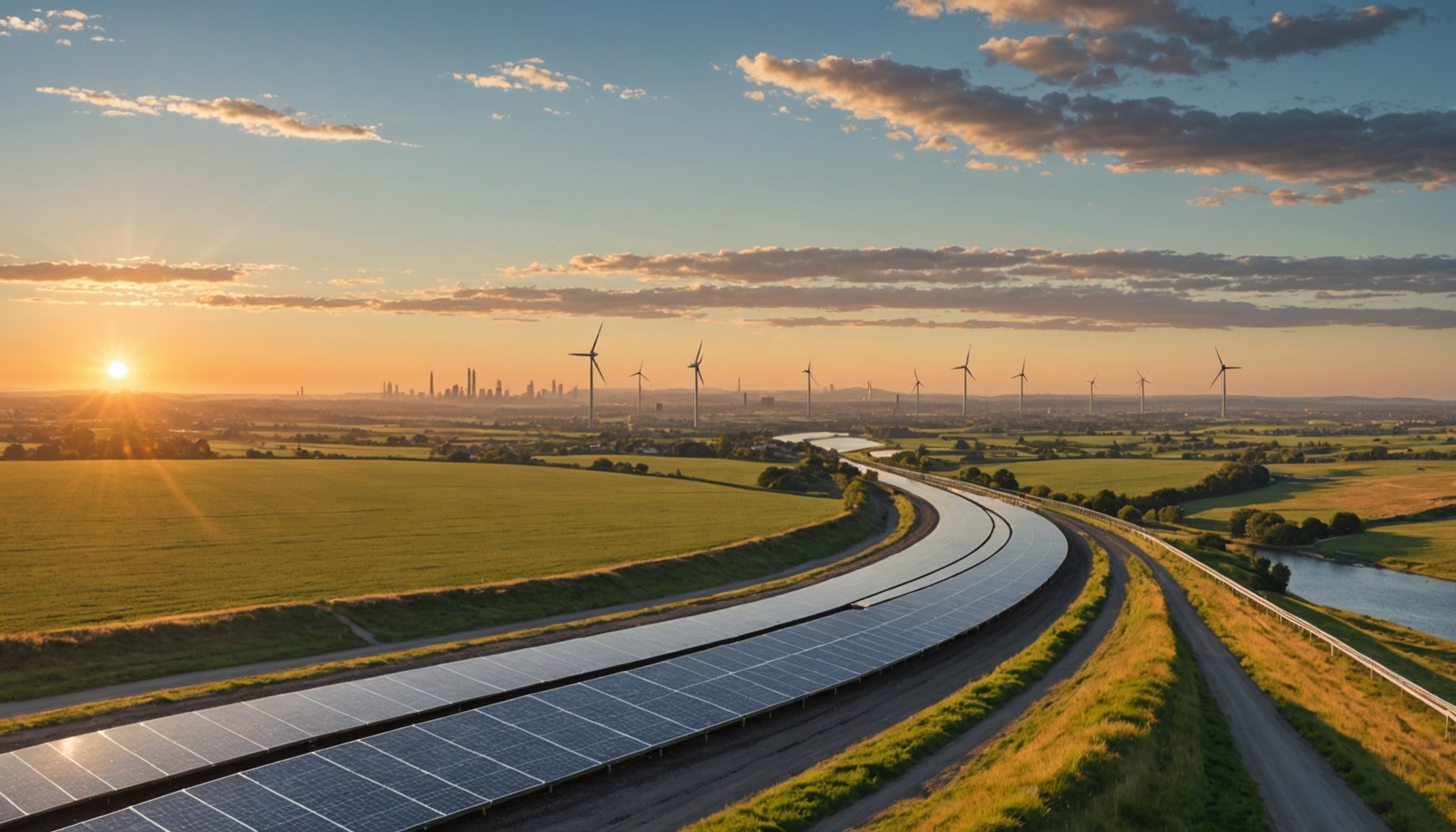
Renewable energy draws on resources naturally replenished over short periods. Solar panels convert sunlight into electricity, while wind turbines harness moving air both onshore and offshore. Hydropower uses flowing water, and geothermal taps Earth’s inner heat. These classic mechanics resemble resource trade-offs seen in strategy games: each source offers unique strengths and limitations but aims to deliver long-term benefits.
The widespread adoption of renewables can significantly reduce reliance on extractive industries that cause pollution and environmental harm. Countries investing heavily in solar and wind report job growth and stronger local economies, demonstrating that sustainability supports not just ecology but also social stability. In this context, many organizations look to embrace new energies for a sustainable future with vallourec to meet ambitious energy goals.
Alternative energy and innovative approaches
The term alternative energy broadens the scope further. It includes all non-conventional options designed to replace or complement conventional systems, such as tidal power, advanced nuclear designs, and biofuels produced from organic waste. Hydrogen power is especially promising because it emits only water when used in fuel cells.
Incorporating these alternatives introduces a modern twist to classic energy dynamics. Rather than relying on one solution, combining various technologies helps address supply risks, market demands, and local infrastructure needs.
Challenges faced during energy transitions
Shifting from fossil fuels to clean energy presents several challenges. Infrastructure must be adapted, policies updated, and economic interests often resist abrupt changes. Even the most promising solutions require substantial initial investments and ongoing regulatory support.
Skepticism persists due to technical barriers, perceived instability, and high upfront costs. Additionally, regions dependent on oil or coal may encounter resistance rooted in local economies. However, history shows that when classic gameplay meets thoughtful innovation, adaptive strategies yield lasting results.
Comparing new and conventional sources of energy
Environmental impact and lower carbon emissions
A key advantage of new energies is their ability to drastically reduce emissions. Traditional fossil fuels such as coal and petroleum release greenhouse gases throughout extraction, processing, and use. By contrast, renewable energy sources generate little or no direct carbon output during operation.
The table below compares vital metrics across major energy types:
| Energy type | Carbon emissions (gCO₂/kWh) | Renewability |
|---|---|---|
| Fossil fuels | 800–1050 | No ❌ |
| Wind | 10–20 | Yes ✅ |
| Solar | 40–90 | Yes ✅ |
| Hydropower | 1–30 | Yes ✅ |
| Bioenergy | 15–35 | Yes ✅ |
Classic mechanics meet modern twist: system reliability
Historically, fossil fuel plants have provided steady, reliable output regardless of weather or time. Renewable systems introduce variability, since sunshine and wind are not constant. Modern storage solutions—a modern twist on classic grid management—are crucial for handling these fluctuations. Innovations like large-scale batteries, smart grids, and regional interconnections enhance flexibility and make wider adoption possible.
Energy planners increasingly depend on accurate forecasting, diversified resource portfolios, and adaptive management. The interplay between renewable and alternative energy resembles successful strategies in complex board games: balancing predictability with dynamic decisions leads to robust outcomes.
Opportunities created by the shift to sustainable resources
Beyond reducing emissions, the move to sustainable resources unlocks a range of tangible benefits. Localized production improves energy independence, generates employment, and strengthens community development. Regions facing climate or geographic challenges can leverage their conditions—such as building solar farms in deserts or using geothermal heating in volcanic areas—to turn obstacles into assets.
This movement also encourages collaboration among public institutions, researchers, and private companies. Such partnerships drive advancements in efficiency, battery storage, and digital controls. Education initiatives around sustainable resources inspire future leaders, much like teaching young players through simplified versions of classic mechanics.
- Reduced reliance on imported fuels
- New career paths and technical skills training
- Growth in battery and smart grid technology sectors
- Revitalization of rural and underdeveloped areas
Looking ahead: what shapes the future of new energies?
Meeting growing global demand requires continuous improvement in policy, engineering, and finance. Investment in research delivers breakthroughs: solar panels achieve higher yields, wind turbines reach greater capacities, and decentralized grids become more intelligent. At the same time, consumer participation rises as more households and businesses install panels and adopt electric vehicles powered by clean energy.
Real-world implementation borrows lessons from both successes and setbacks—often echoing the evolving strategies of a well-played catan board game. Flexibility, innovation, and persistence characterize progress in this sector. As communities rise to the challenge, the journey toward reliable, affordable, and environmentally responsible power becomes clearer, illustrating how careful planning and bold action can coexist.
Answers to common questions about new energies
What are the main types of renewable energy?
Renewable energy comes from sources that replenish naturally, offering sustainable resources with minimal pollution. The principal categories include:
- Solar energy: harnesses sunlight through photovoltaic panels
- Wind energy: produces electricity using turbines driven by air currents
- Hydropower: utilizes flowing water to generate mechanical energy
- Bioenergy: derives power from plant material or organic waste
- Geothermal: exploits Earth’s internal heat
Each form provides distinct geographic and technical opportunities for energy transitions.
How do new energies help lower carbon emissions?
By replacing combustion-based power plants with renewables and other alternatives, societies can substantially cut greenhouse gases. Emissions are mainly caused by burning fossil fuels; clean energy sources generate electricity without emitting CO₂ directly.
| Power Source | Typical Emissions (gCO₂-eq/kWh) |
|---|---|
| Coal | 900–1050 |
| Solar | 40–90 |
| Wind | 10–20 |
| Hydro | 1–30 |
This transition supports international climate targets focused on lower carbon emissions.
What obstacles slow down energy transitions?
Switching to new energies involves technical, financial, and political hurdles. Major challenges include:
- High upfront investment for infrastructure
- Integration and balancing of renewable outputs
- Upgrading existing power grids
- Coordination among stakeholders
Education, incentives, and sustained research are key to overcoming these barriers over time.
Can small communities benefit from adopting sustainable resources?
Smaller communities can gain significant advantages by embracing sustainable resources. Decentralized solar, wind microgrids, and bioenergy projects boost resilience and minimize dependence on centralized suppliers.
- Greater energy autonomy
- Lower long-term operating costs
- Support for local job creation
Many villages and towns improve quality of life and promote environmental stewardship through tailored energy transitions.